


The Science Behind Regenerative Medicine
Regenerative medicine is one of the most researched and most misunderstood fields in modern healthcare. What follows is a plain-language explanation of what the science actually shows — the mechanisms, the evidence, and the honest uncertainties most sources leave out.
Why chronic pain often doesn't respond to conventional treatment
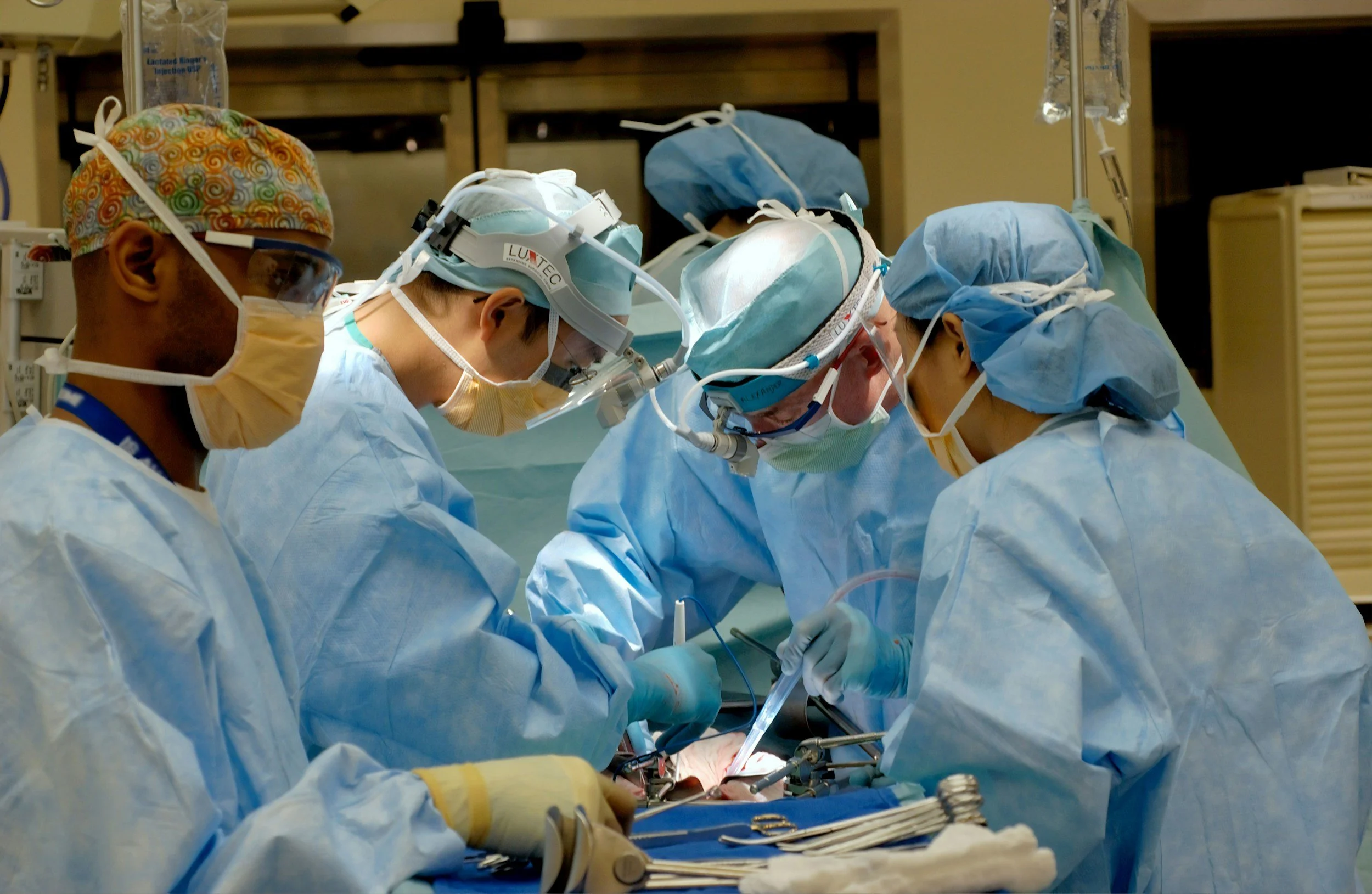

Most conventional pain management addresses symptoms — the sensation of pain — rather than the underlying biological process causing it.
At the cellular level, most chronic musculoskeletal pain involves two interconnected processes: ongoing inflammation and tissue degeneration. Pills reduce the inflammatory signal. Injections temporarily quiet the joint environment. Surgery removes or replaces the damaged structure. None of these address the cellular repair capacity that has diminished over time. Research suggests this diminished repair capacity is connected to a significant decline in mesenchymal stem cells (MSCs) — specialized cells responsible for tissue repair, immune modulation, and regeneration — as we age. At birth, the body contains a vast supply of these cells. By age 30, research suggests that supply has declined significantly. By age 60, many people retain only a fraction of the cellular repair capacity they had as young adults. This isn't a disease. It's biology. But it helps explain why conditions that weren't a problem at 40 become chronic by 55 — and why approaches that work on the cellular environment rather than the symptom have generated significant research interest.
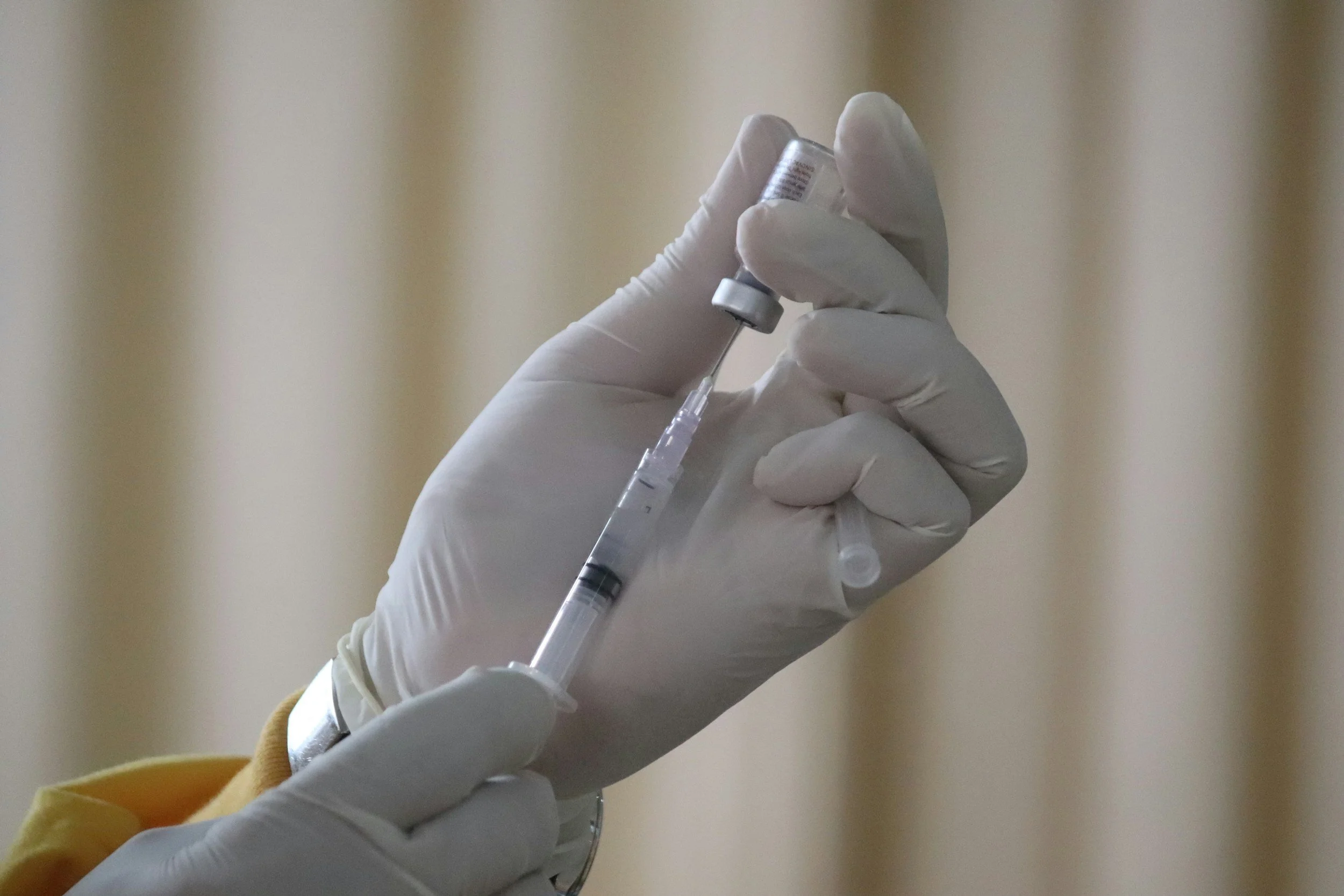
Mesenchymal stem cells (MSCs) are multipotent stromal cells found throughout the body — in bone marrow, adipose tissue, and umbilical cord tissue, among other sources. They play central roles in tissue repair, inflammatory modulation, and immune regulation. MSC therapy involves introducing these cells into the body to support the biological processes that govern healing and tissue maintenance.
What it isn't: MSC therapy is not a pharmaceutical
intervention and is not FDA-approved for the treatment of
specific conditions. It exists in a complex regulatory
landscape. Understanding that landscape is part of making
an informed decision — and we cover it honestly in the
resource guide below.
What mesenchymal stem cell therapy is — and what it isn't
What the research explores:
1. Reducing inflammation
MSCs appear to modulate inflammatory signaling pathways — potentially addressing the biological root of chronic inflammation rather than temporarily masking its effects. Research has focused on their interaction with inflammatory cytokines including TNF-alpha, IL-1beta, and IL-6.
2. Immune system modulation
MSCs demonstrate immunomodulatory properties — the ability to regulate immune responses. This is particularly relevant for conditions where immune-driven tissue breakdown contributes to degeneration, and helps explain the low rejection rates observed with allogeneic (donor) MSC preparations.
3. Tissue regeneration support
Research explores whether MSCs can stimulate the body's existing repair mechanisms in damaged or degenerated tissue environments — including cartilage, ligament, disc, and connective tissue — where the body's natural repair processes have slowed or stalled.
4. Undifferentiated versatility
MSCs are described as undifferentiated — they have not yet been assigned a specific structural role. Research suggests they retain the capacity to support the formation of bone, cartilage, muscle, nerve, and blood vessel tissue, making them a subject of broad medical investigation.
Why umbilical cord-derived MSCs specifically
MSCs can be sourced from several locations — including a patient's own bone marrow or adipose tissue (autologous), or from donor sources including umbilical cord tissue (allogeneic).
The research focus on umbilical cord-derived MSCs comes down to one primary factor: proliferation capacity. As our cells age alongside us, their ability to multiply and perform repair functions diminishes. Umbilical cord- derived MSCs — collected from the Wharton's Jelly of healthy donated umbilical cords at the moment of birth — represent what researchers call Day 0 cells: the most proliferative, energetic form of these cells available.
Published research on stem cell proliferation rates suggests the multiplication capacity of cells from a newborn significantly exceeds that of cells from adults in their 30s or 60s. This differential is the primary scientific rationale for using donor-derived cord tissue rather than a patient's own cells for certain applications.

Sourcing and screening:
Reputable cord tissue is donated exclusively through live, healthy births with full maternal informed consent. The cord — which would otherwise be discarded — is processed through AATB (American Association of Tissue Banks) accredited tissue banks and screened by CLIA-certified laboratories for infectious disease, sterility, and endotoxins before clinical use.
What is established:
Hundreds of peer-reviewed studies have explored MSC therapy across a wide range of musculoskeletal and systemic conditions. Early and intermediate trial data across knee osteoarthritis, intervertebral disc degeneration, and peripheral neuropathy have shown outcomes that have generated significant continued research investment.
What the research actually shows — and where uncertainty still exists
Where honest uncertainty exists:
Long-term outcome data is still accumulating. Optimal dosing protocols, treatment frequency, and patient selection criteria are still being refined. The regulatory framework governing MSC products in the United States remains complex and evolving.
What this means for someone considering therapy:
You deserve complete transparency about where the science stands. This is a promising and actively advancing field — not settled medicine. An informed patient asks specific questions about sourcing, evidence, expected timelines, and honest outcome data before committing. The resource guide below includes the seven questions every informed consumer should ask before making any decision in this space.
The evidence base for MSC therapy is growing, but it is not yet at the level of large-scale randomized controlled trials that characterize pharmaceutical approval processes.Regenerative therapy research has concentrated most heavily on musculoskeletal and neurological conditions where conventional options are limited or where the underlying mechanism — inflammation and cellular degeneration — is relevant.
Primary focus areas in published research include:
Knee pain and degeneration
Hip joint degeneration ·
Chronic back pain and disc involvement
Neck and shoulder pain
Osteoarthritis
Degenerative joint disease
Peripheral neuropathy
Tendonitis and ligament injuries ·
Plantar fasciitis
Cartilage involvement
This list represents areas of research focus only. Vivonyx does not make claims about therapeutic outcomes for any condition. Individual responses to any health intervention vary significantly. This content is for educational purposes and does not constitute medical advice.