

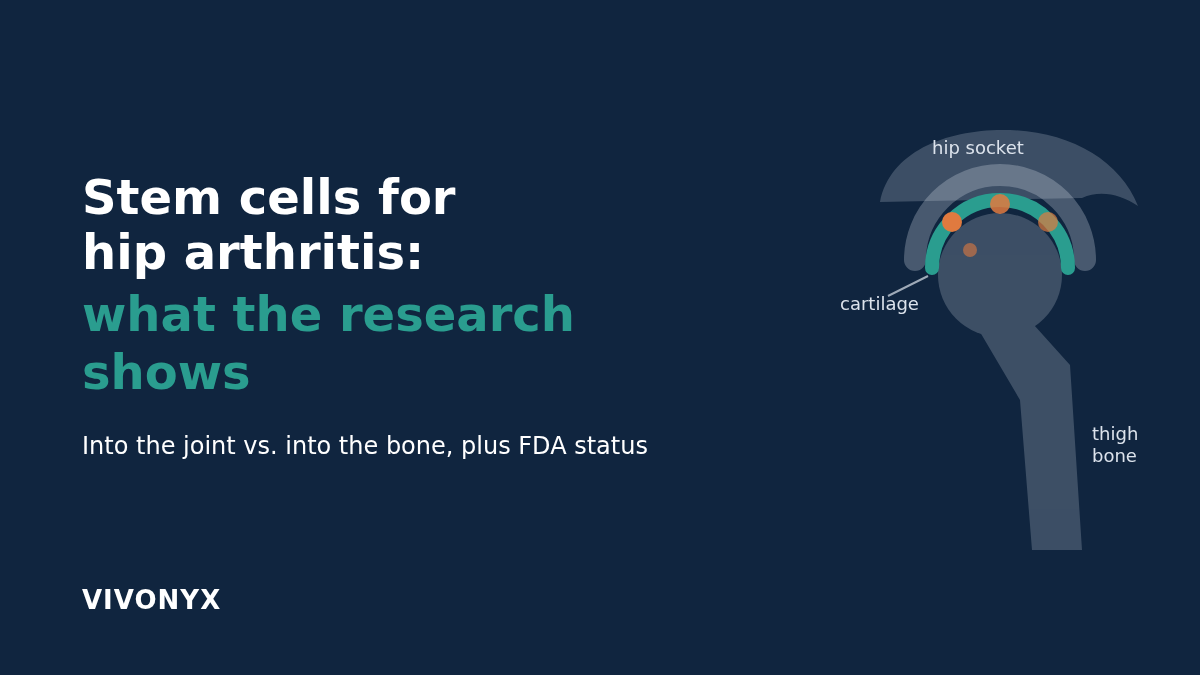
Stem Cells for Hip Arthritis: What the Research Shows
Hip stem cell studies often report less pain afterward, but most had no comparison group. A plain look at what the research does and doesn't show.
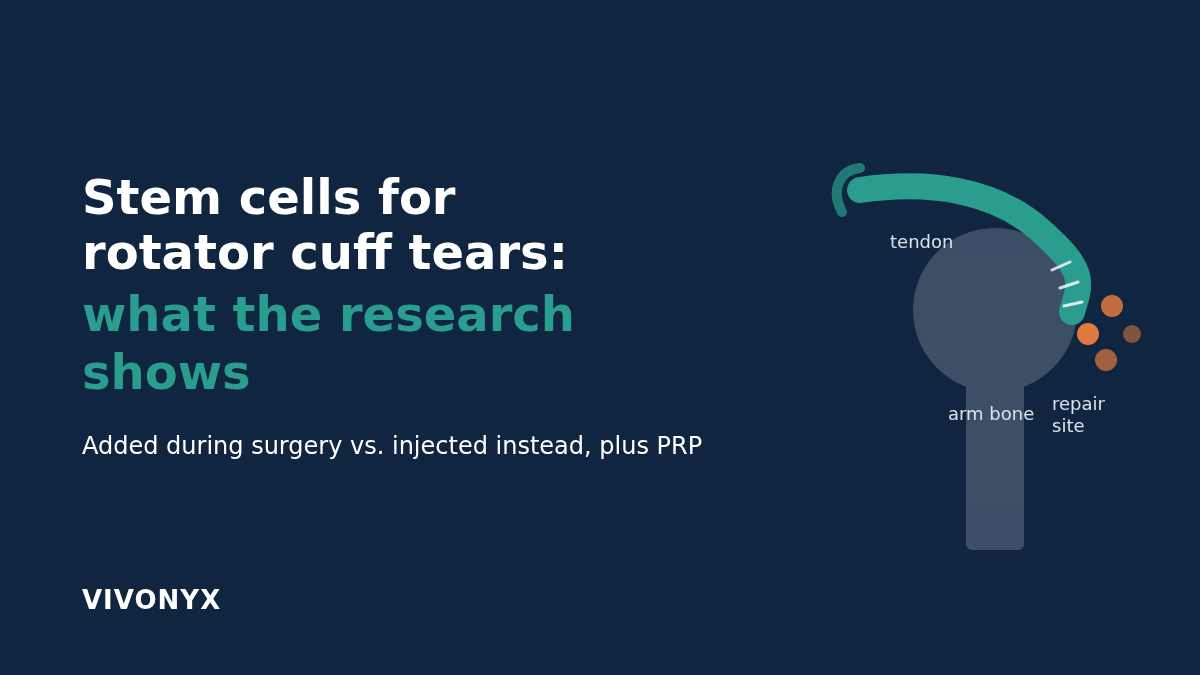
Stem Cells for Rotator Cuff Tears: What the Research Shows
Tendons often looked better on MRI when stem cells were added during repair. Did people feel better? A plain look at the rotator cuff research so far.
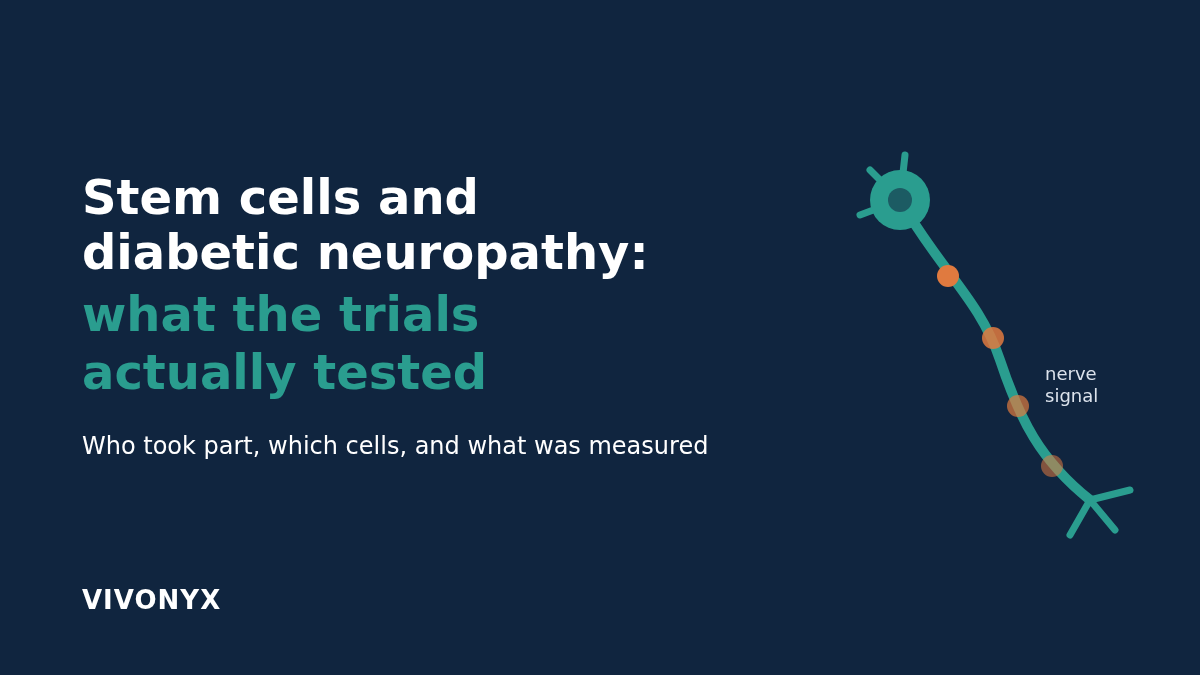
Stem Cells and Diabetic Neuropathy: What the Clinical Trials Actually Tested
Our neuropathy overview covered the big picture. This one opens up the trials: who took part, which cells were used, and what was actually measured.
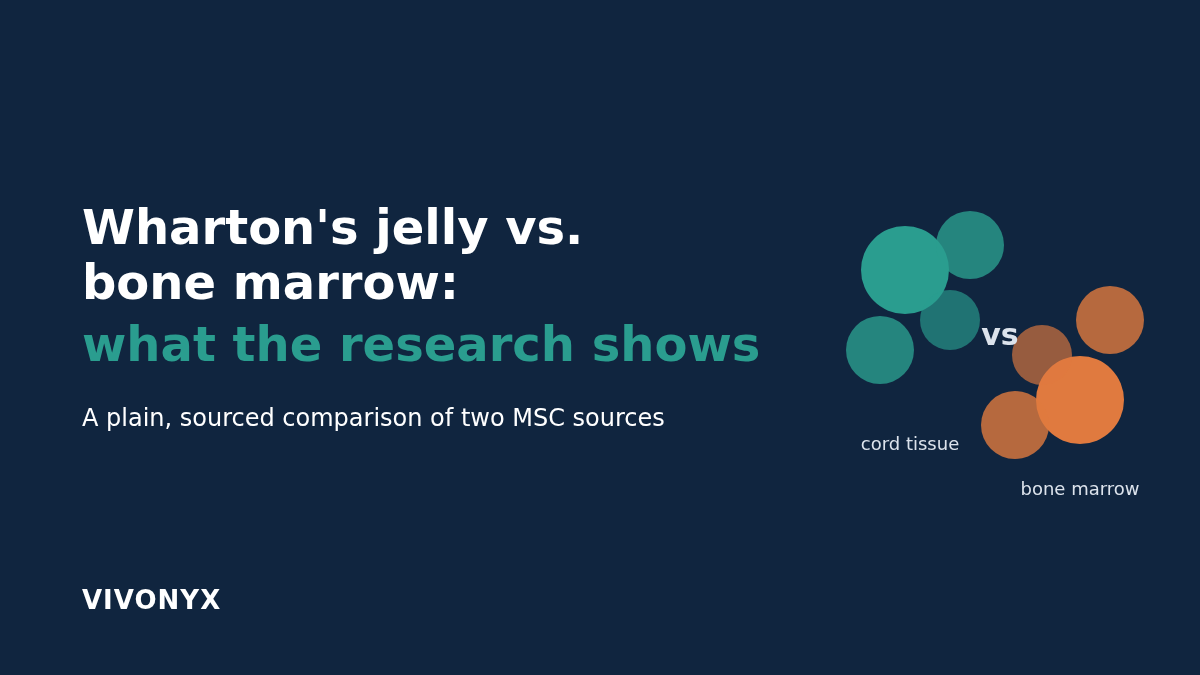
Wharton’s Jelly vs. Bone Marrow Stem Cells: What the Research Shows
Umbilical cord tissue or your own bone marrow? A fair, sourced look at how these two MSC sources differ and what research does and doesn't show.
Stem Cells for Low Back Pain and Disc Degeneration: What the Trials Show
Can stem cell injections help a worn-out spinal disc? A plain look at the main back pain trials, including the large one that missed its goal.
Is Stem Cell Therapy FDA Approved? Approval Isn’t the Whole Story
"Not FDA-approved" doesn't mean unstudied. Here's what FDA approval covers, how cell and tissue products are regulated, and what's in trials.

Thinking About Stem Cell Therapy? 8 Questions Worth Asking First
Thinking about stem cell, cord tissue, or exosome injections? Eight research-based questions to ask any provider, and why each one matters.
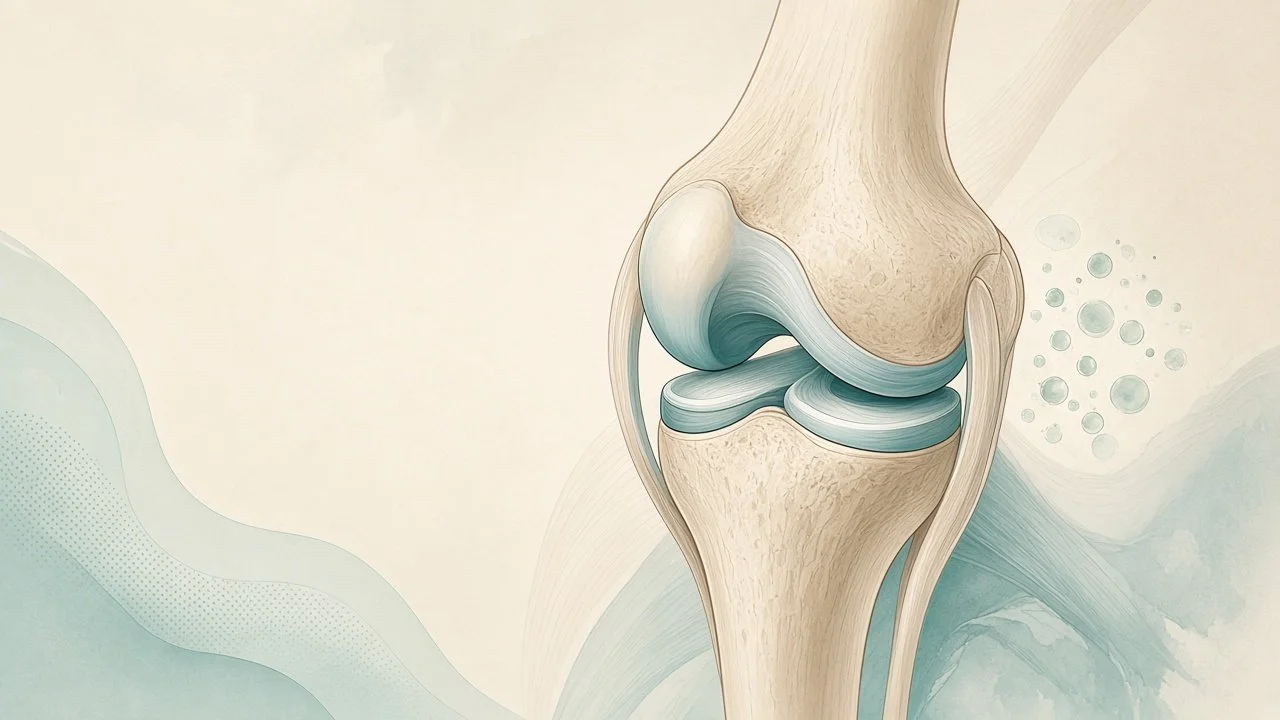
Stem Cells, PRP, and Your Knees: A Plain-English Tour of the Research
Stem cells, PRP, bone marrow, Wharton's jelly, exosomes: a plain-English tour of the best knee arthritis studies and their honest limits.

MSC Therapy for Neuropathy: What the Research Shows
Can mesenchymal stem cells help nerve damage? A plain look at the neuropathy studies so far, what they measured, and their honest limits.

What is Wharton's Jelly MSC Therapy — and How is it Different From PRP?
A plain-language look at Wharton's jelly MSCs, how they compare to PRP and bone marrow, and what the research actually shows.